International Conference on Menstrual Health Highlights Need for Awareness, Sustainability and Social Change
Dadri, Uttar Pradesh | May 2026
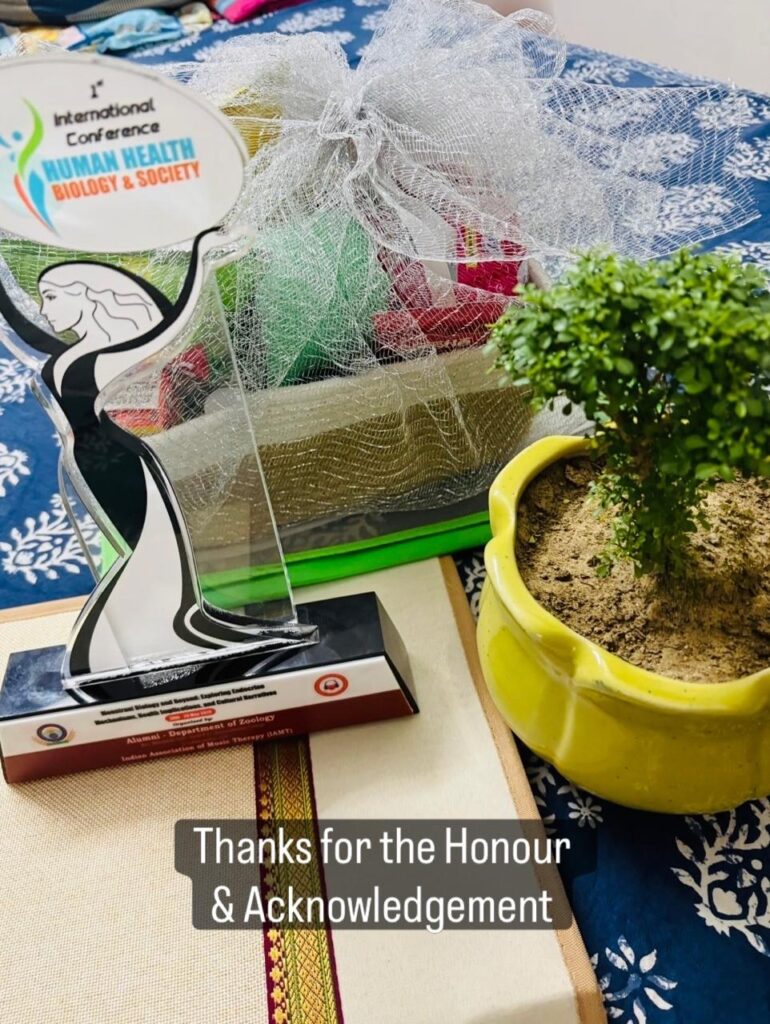
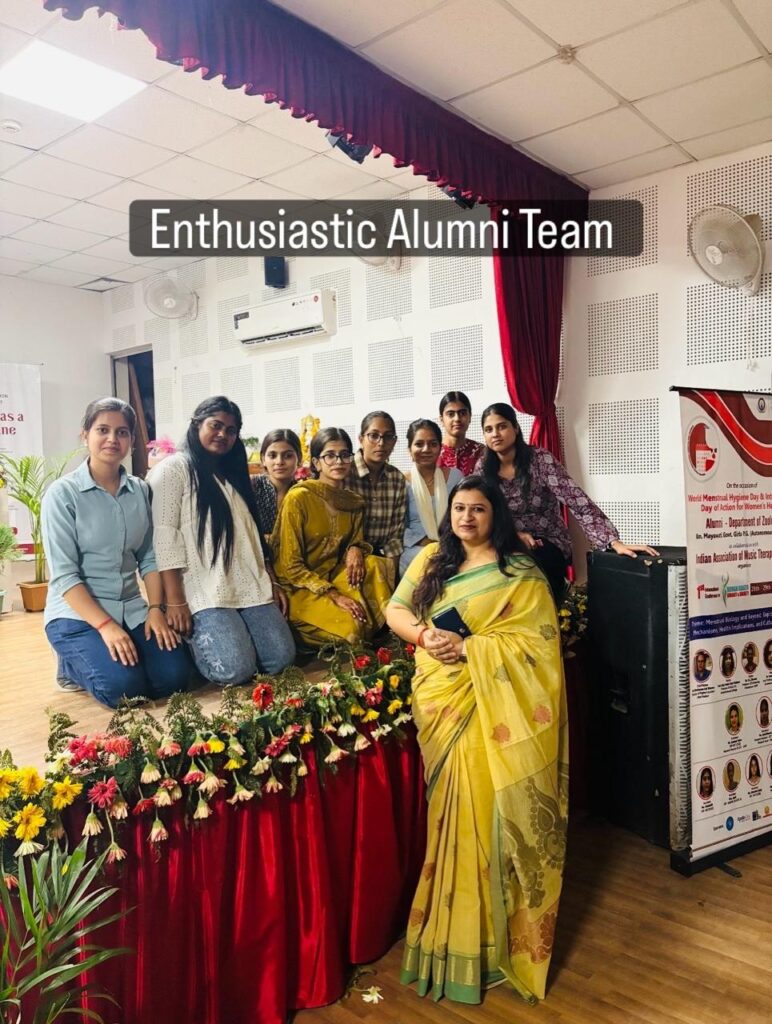
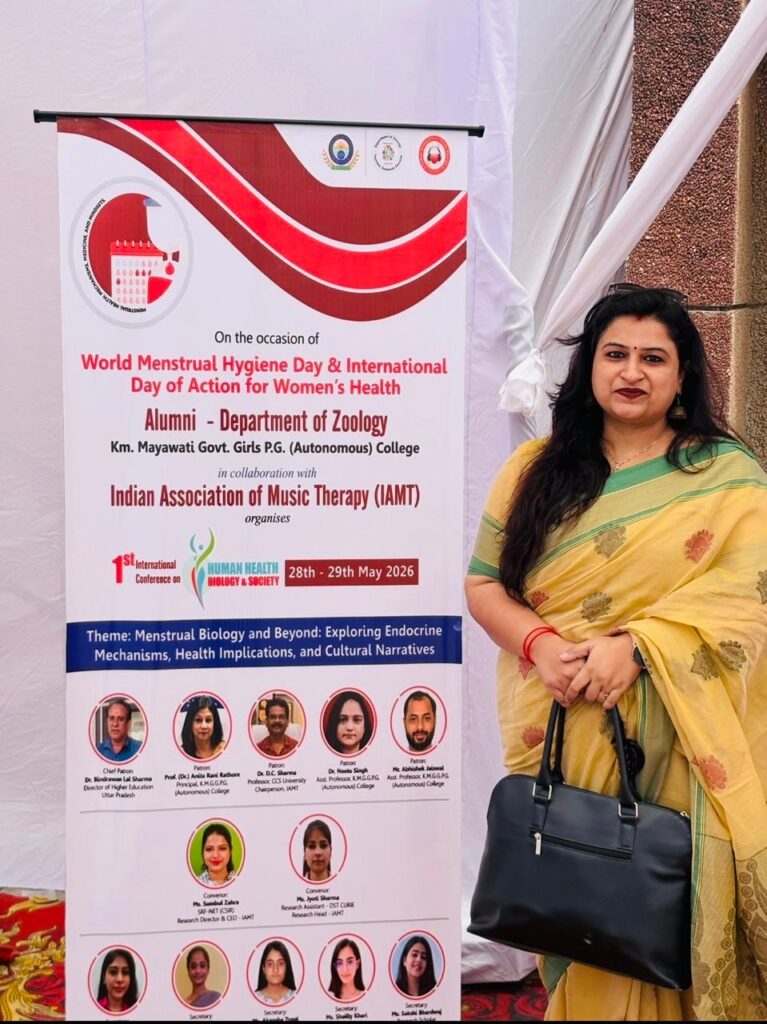
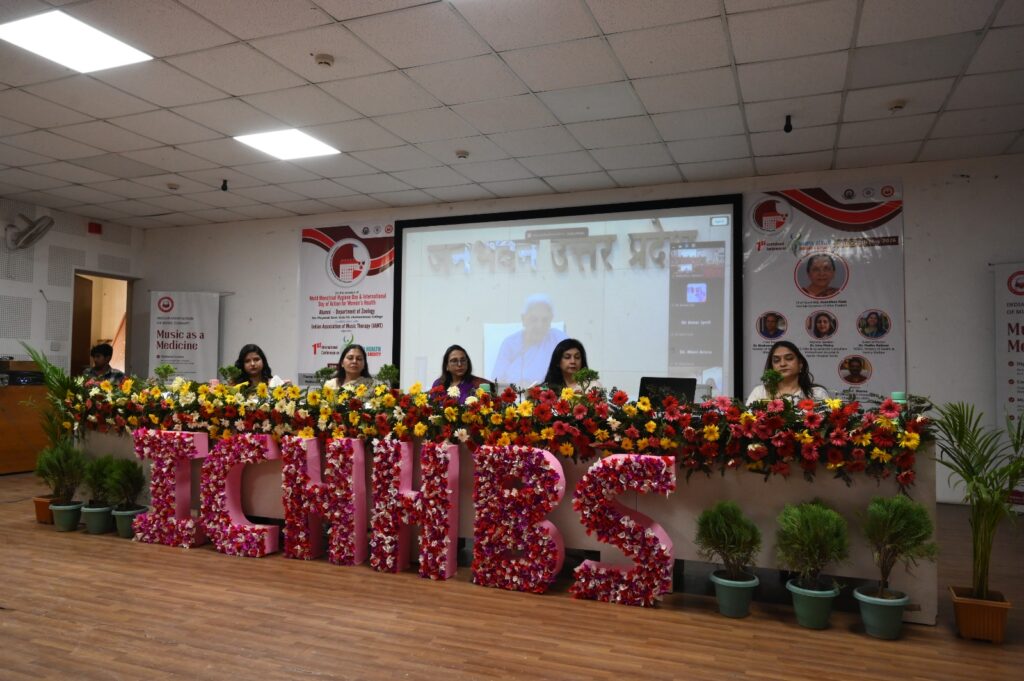
A two-day International Conference on “Menstrual Biology and Beyond: Endocrine Systems, Health Impacts and Cultural Perspectives” was successfully organized by the Alumni of the Department of Zoology, Kumari Mayawati Government Girls Post Graduate College (Autonomous), Badalpur, Gautam Buddh Nagar, in collaboration with the Indian Association of Music Therapy (IAMT), Delhi.
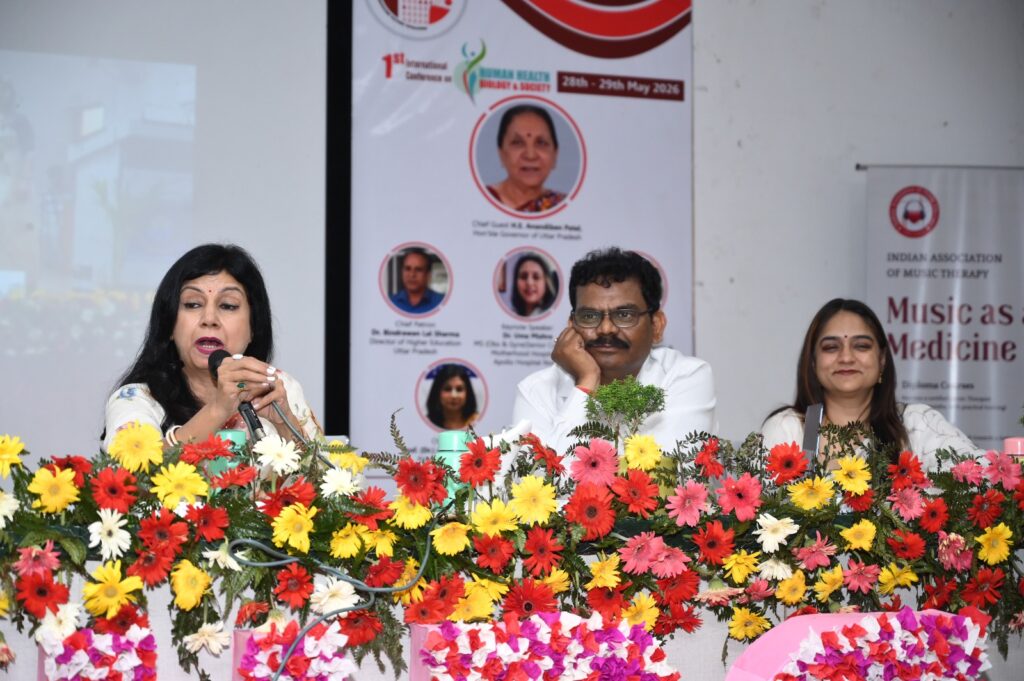
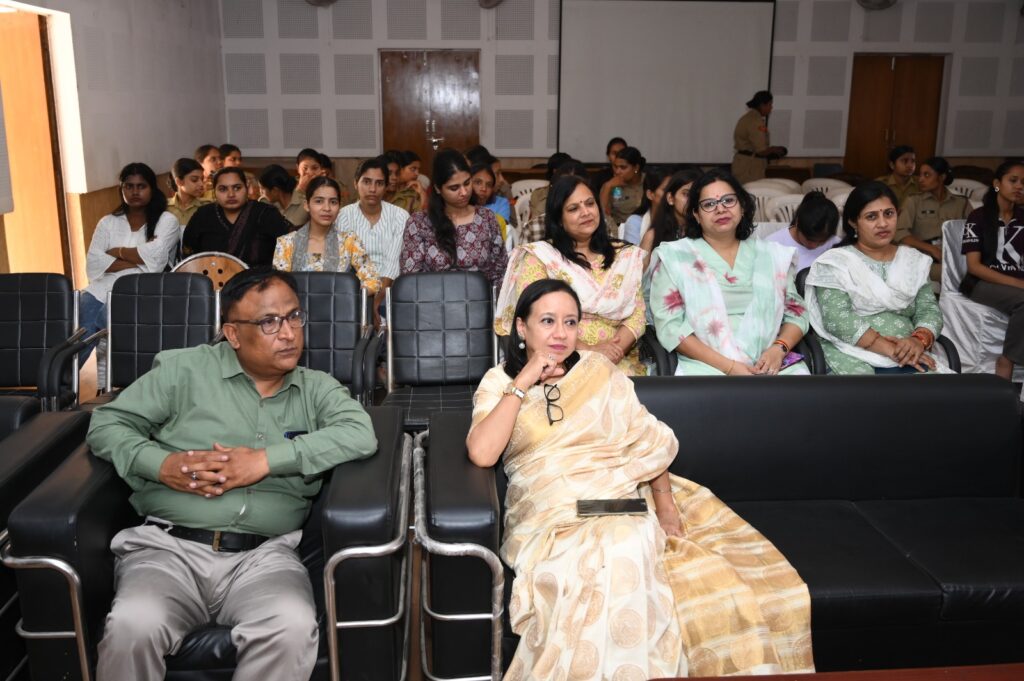
The conference emerged as a significant academic and social platform dedicated to advancing dialogue on menstrual health, reproductive well-being, menstrual hygiene management, environmental sustainability, and the socio-cultural dimensions of women’s health. Researchers, academicians, healthcare professionals, educators, students, and social advocates from across the country participated in the deliberations.
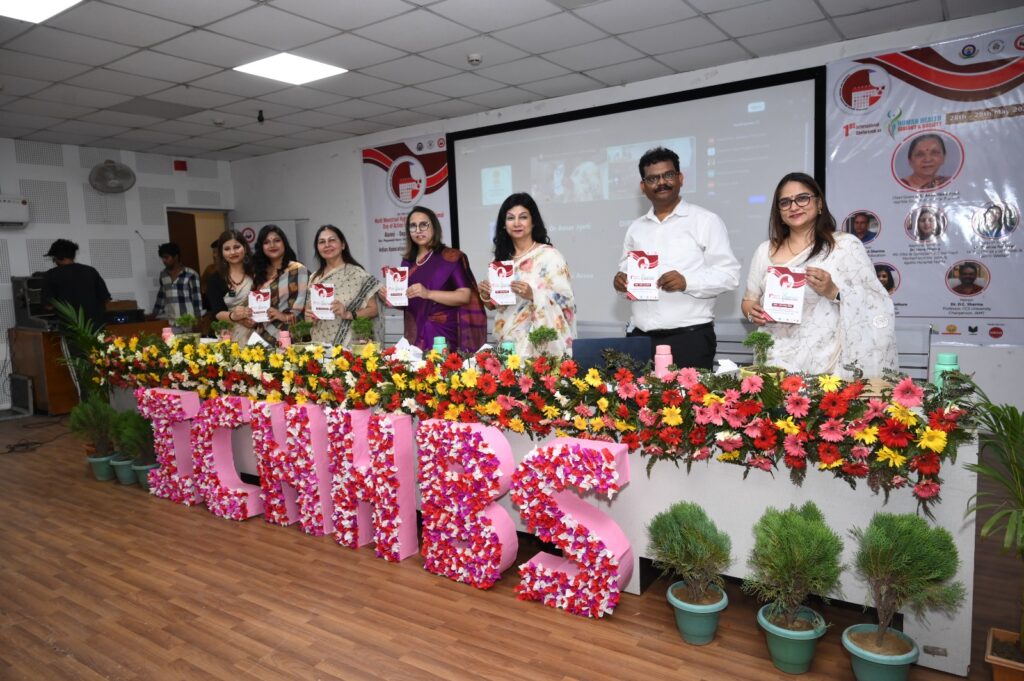
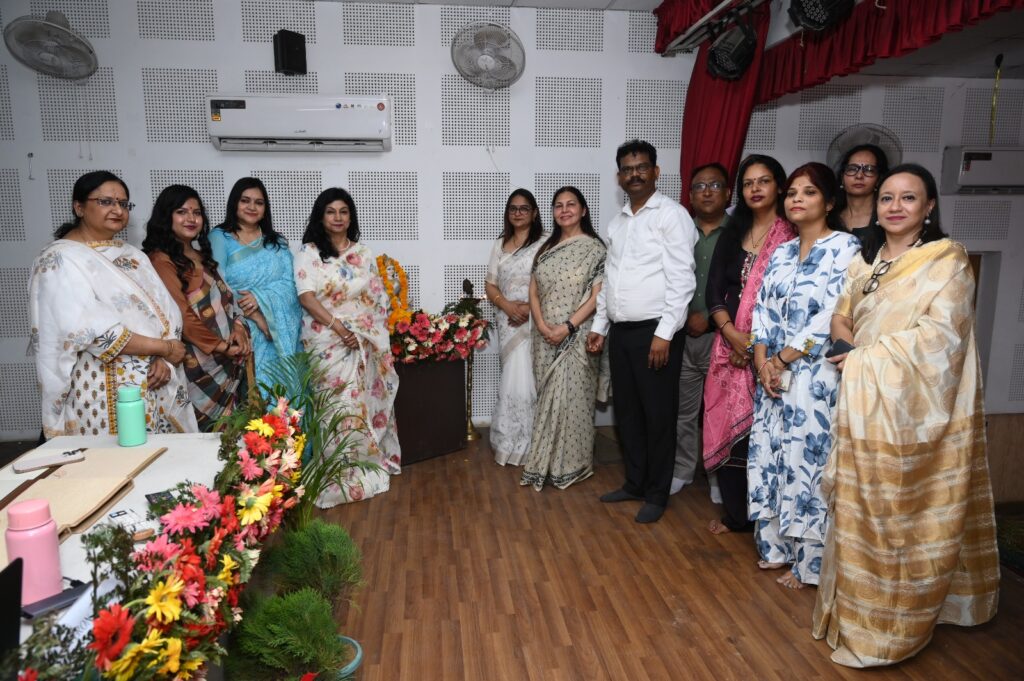
The inaugural session commenced with Saraswati Vandana and the release of the Conference Souvenir. Welcoming the delegates, Principal Prof. Anita Rani Rathore emphasized that women’s health, dignity, and education are fundamental pillars of a progressive society. She encouraged students to adopt a scientific approach toward menstruation and actively challenge myths, taboos, and social stigmas associated with the subject.
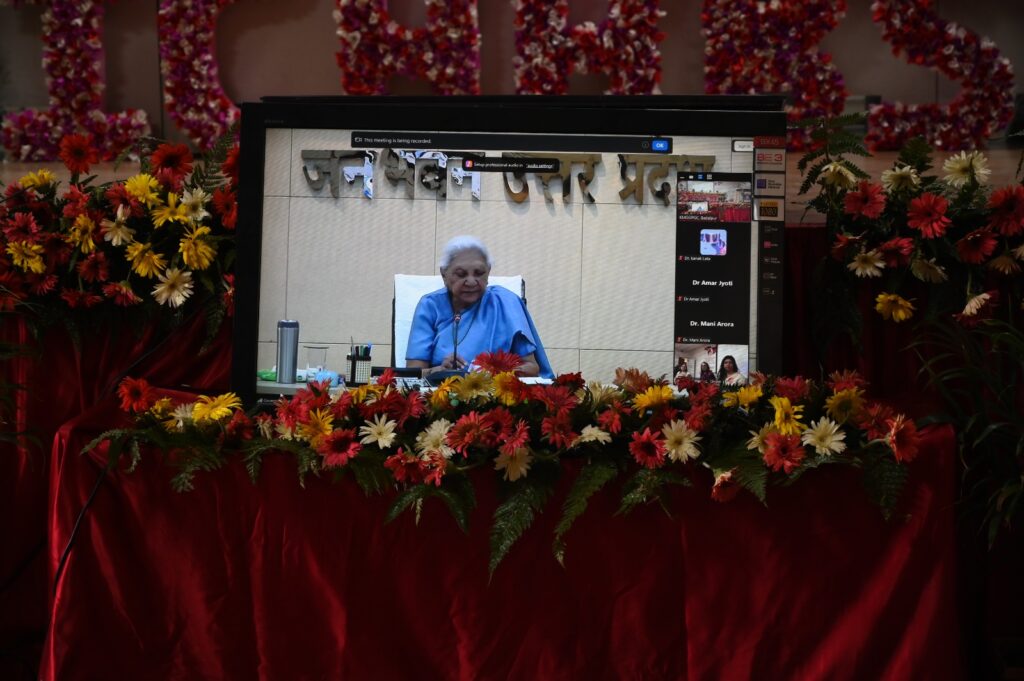
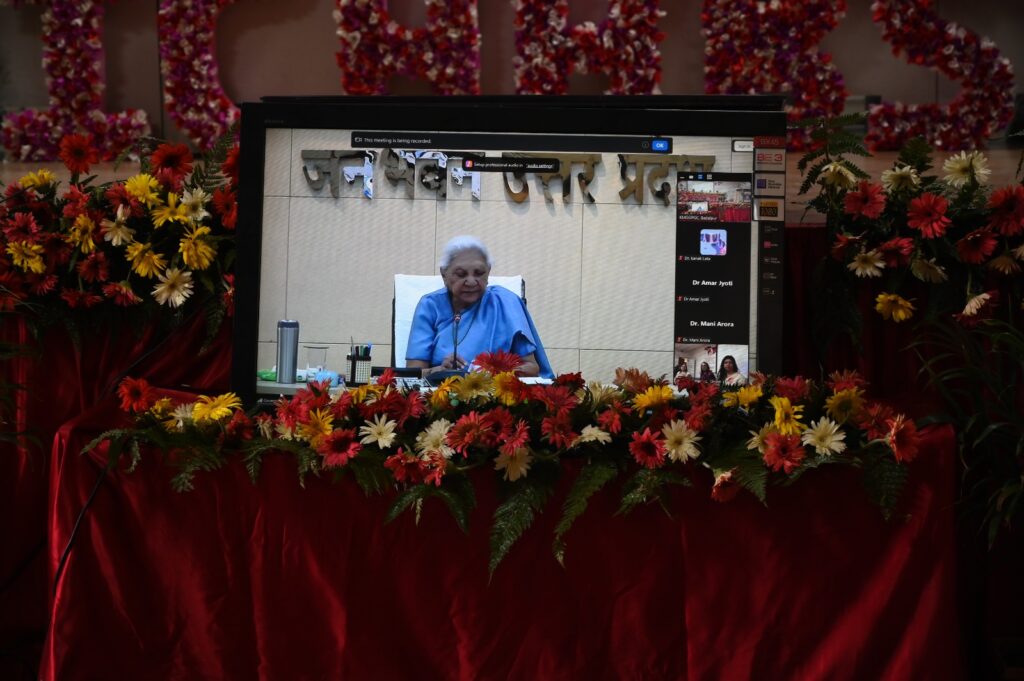
One of the most significant highlights of the conference was the virtual address by the Hon’ble Governor of Uttar Pradesh, Smt. Anandiben Patel. In her message, she described menstruation as a natural biological process and called for collective efforts to eliminate misconceptions and social barriers surrounding menstrual health. She linked women’s health, nutrition, hygiene, and dignity with nation-building and emphasized that empowered and healthy women are essential for creating a strong and developed society.
The conference featured expert sessions covering menstrual biology, endocrine regulation, reproductive health, microbiome research, public health, environmental concerns, women’s rights, and cultural perspectives. Eminent speakers shared scientific insights while also highlighting the importance of community engagement and awareness-building.
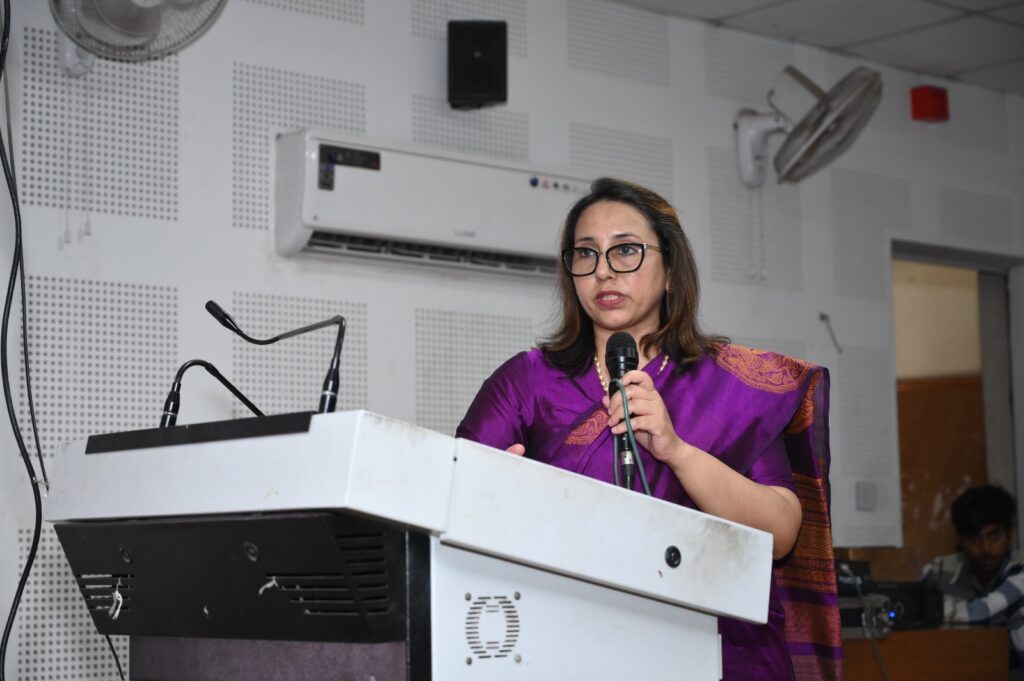
During her address, Dr. Neetu Singh shared personal experiences related to menstruation and discussed the social and emotional challenges faced by adolescent girls and women. She stressed the need for open conversations and encouraged students to become advocates of awareness within their communities.
Addressing the environmental dimension of menstrual health, Prof. Dinesh C. Sharma highlighted the growing challenge posed by sanitary waste. He advocated for the scientific and safe disposal of used sanitary napkins and recommended that such waste be treated as medical waste rather than ordinary household waste. He further suggested the development of dedicated sanitary waste management systems in educational institutions and emphasized the need for free sanitary napkin distribution programs for economically weaker students.
Dr. Renu Awana underscored the importance of organizing regular conferences, workshops, and awareness initiatives on menstrual health and women’s well-being. She stated that sustained dialogue is essential to dismantle deep-rooted myths and misconceptions surrounding menstruation.
On May 28, the conference hosted an online technical session that witnessed active participation from researchers, faculty members, and students from different parts of the country. Participants presented research papers and discussions on menstrual biology, reproductive health, healthcare services, environmental sustainability, and social development. The session showcased the scientific aptitude, innovation, and social commitment of young researchers.
A notable contribution to the conference was made by Ms. Saumya D. Tewari, Founder of SAMVAAD Connect, who participated as a Guest Speaker. Addressing the gathering, she emphasized the role of awareness, communication, and social dialogue in normalizing conversations around menstrual health. She highlighted the importance of empowering young girls through education, mentorship, and access to reliable information, while advocating for greater societal sensitivity towards women’s health issues.
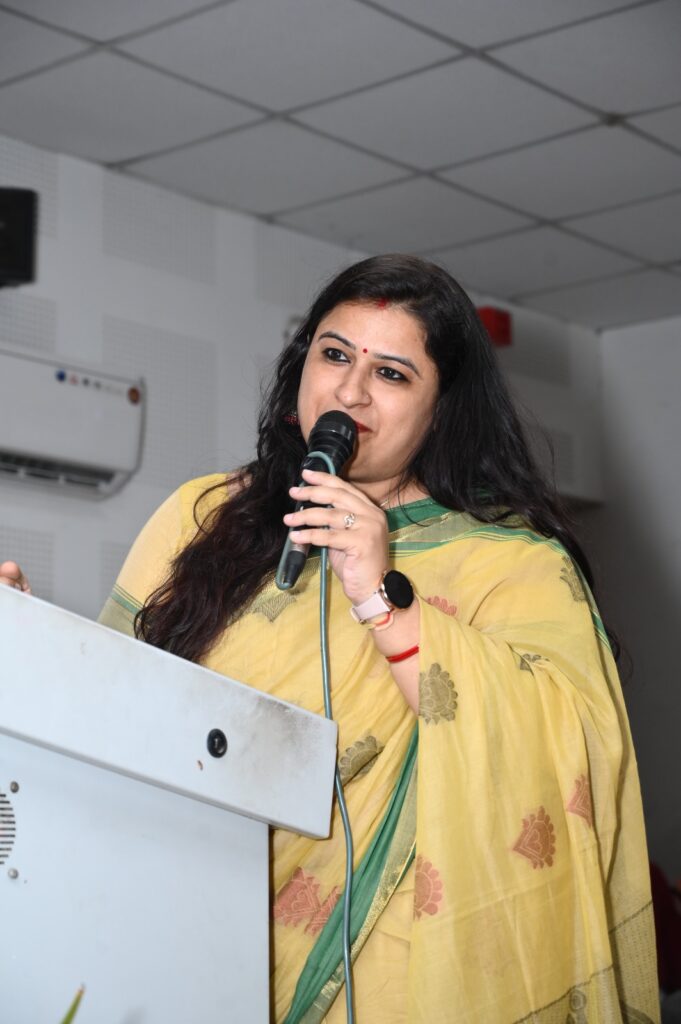
As the Official Media Partner, SAMVAAD Connect extensively covered the conference and supported the dissemination of key discussions and recommendations emerging from the event. The platform’s participation aligned with its mission of fostering awareness, encouraging meaningful dialogue, and promoting social change through informed conversations.
Throughout the conference, experts reiterated that menstrual health should not be viewed solely as a medical issue but as an intersectional subject connected with education, environmental responsibility, women’s empowerment, social justice, and human dignity.
Based on the discussions and expert recommendations, the conference proposed several key measures, including:
- Regular menstrual hygiene awareness programs in educational institutions.
- Free sanitary napkin distribution for rural and economically disadvantaged students.
- Scientific and safe disposal systems for used sanitary products.
- Promotion of biodegradable and environmentally sustainable menstrual products.
- Establishment of sanitary waste management units in colleges and universities.
- Large-scale public awareness campaigns to eliminate menstrual myths and taboos.
- Encouragement of research and innovation in women’s health and reproductive health.
- Integration of menstrual health awareness initiatives with the objectives of the National Education Policy (NEP) 2020.
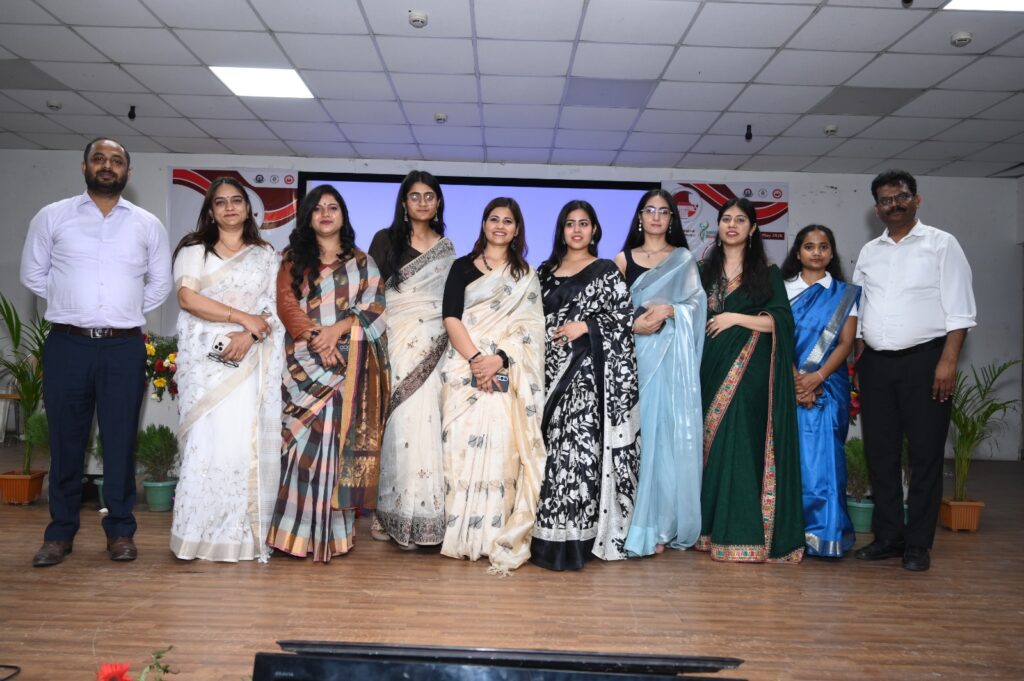
The concluding session witnessed appreciation from experts, academicians, and participants, who described the conference as a meaningful initiative promoting women’s health awareness, research culture, social responsibility, and scientific thinking.
The conference successfully embodied the spirit of its theme, “Menstrual Biology and Beyond,” by creating a platform where science, health, education, culture, environmental consciousness, and social responsibility converged to advance the cause of women’s health, dignity, and empowerment.